
Tap Dungeon Artifacts, Keys, and Event Loot
Every pretty pedestal is a price tag. Read it before you tap.
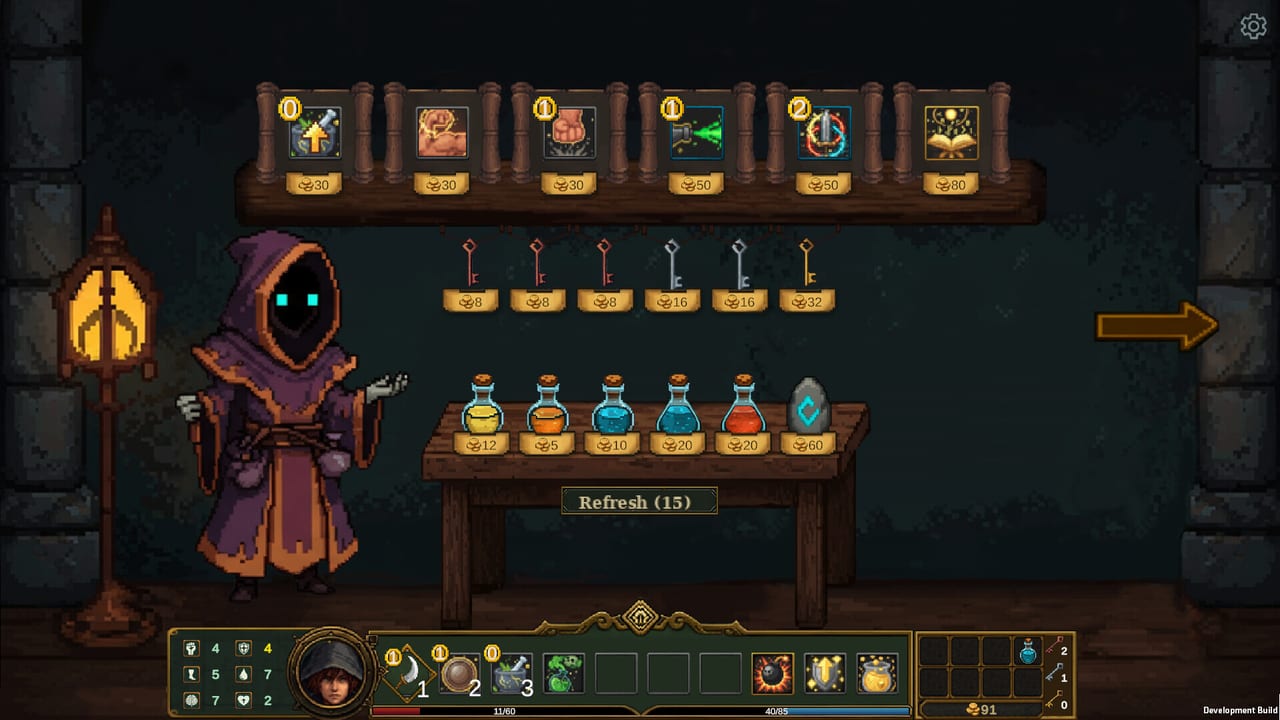
Tap Dungeon sells artifacts as a reason to keep dying. The store line is simple: collect artifacts, mix items freely, and let imagination be the only limit. The footage is less poetic. You will be offered keys that cost blood, gold that costs health, and potions that cost the coins you wanted for a shop. This page is how to treat items as a build, not a museum. Pair it with builds and how to play.
Official promise versus published list
Xiao5 has not released a public encyclopedia of every relic name. We will not invent one. What is official: items and skills mix across classes and sub-classes; artifacts are part of the surprise loop; the full version adds more equipment than the demo. What is visible in trailer HUD: an inventory grid, a gold counter, potion pickups, and event buttons that grant or charge specific objects.
If a later patch notes post names a set of relics, it will be folded into updates. Until then, play the trades in front of you.
Event trades that generate your kit
Three filmed events teach the whole economy.
Gold pit of rotting meat. The painting shows coins and a slab of meat in a glowing puddle. One option fishes gold and subtracts a chunk of HP. That is not a bug in the tooltip. If you are already wounded, the pit is a death with extra steps. If you are full and broke, it can be a shop ticket. The beginner guide uses this screen as the first-hour warning for a reason.
Key pedestal. Copper, silver, and gold keys sit on a wooden stand between two glowing shields. The filmed silver option costs 15 HP to obtain the key. Keys in crawlers usually open something you have not seen yet. Paying health for a key you do not need on this floor is how people fail the floor lord. Leave is a real choice.
Beggar. A hooded figure by a torch asks for coins. Higher donations can return potions and still subtract gold. This is the nicest-looking trap in the set. Potions are real. Arriving at a shrine empty-handed because you over-tipped a stranger is also real.
Treat these three as the item tutorial. Everything else is a remix of “pay a resource you need later.”
Potions, loot popups, and inventory grid
A card-maze screenshot shows a loot window with a blue potion stack and buttons to take all or skip. Take-all is correct when you have empty grid squares and a fight coming. Skip is correct when the grid is already a junk drawer. The HUD does not look like it wants you to carry every drop from every tile. If you cannot say what a potion is for — emergency heal versus a hidden boss versus a floor lord — you are hoarding, not building.
Gold sits next to the grid. Launch-week discussion mentioned a player who took a gold-related passive and watched the counter fall into scientific notation, after which a shopkeeper offered no charity. We cannot reproduce that in a browser. We can say: if your gold display explodes, screenshot it, die or reload, and report it through Steam or the Discord rather than building a strategy on broken numbers. See the review for the tone of those early comments.
Artifacts as build glue, not trophies
The marketing fantasy is endless builds. The play rule is fewer, better pieces. A relic that supports your class identity is worth a painful event. A relic that is merely rare is not. Class pages in the class hub describe intended styles:
- Swordsman wants items that let heavy hits keep landing.
- Assassin wants tools that make a single strike matter.
- Mage wants space and resources to bombard, not a bag of melee novelties.
- Alchemist wants potions and weird trades to stay on-theme.
- Guardian wants anything that keeps the unbreakable fantasy from becoming a slow death.
If an artifact fights your class, leave it on the floor. Mixing freely is allowed. Mixing against yourself is how the armor-brick rooms win.
Shops, charity, and the gold you thought you had
Trailer events imply shops exist in the loop even when the filmed shot is an event column. A player report about a shopkeeper refusing charity is useful as a warning: do not assume NPCs will bail out a negative wallet. Keep a small gold buffer. Do not spend the last coins on a cosmetic-feeling key if a vendor might be the next card.
What to do after a good loot streak
Stop tapping events. Heal if you can. Point the new kit at the floor lord, then at optional tiles. The dungeon guide is the routing half of this advice. Hidden bosses are the greed half. Artifacts should make those fights shorter, not lure you into them under-healed.
When the full talent system is available, revisit this page and the build guide together. Talents that multiply a relic you already stacked are the dream. Talents that ask you to start over are a rebirth with extra honesty.
There is no redeemable coupon culture here. Paid Steam game, no codes hub. Your “free items” are the events you survive.
Frequently Asked Questions
Launch-week answers for new adventurers from the Duchy of Lyle.
Is there a complete Tap Dungeon item list?
Not from Xiao5 in a public spreadsheet we can cite. This page documents the event trades shown in official footage and the store promise that artifacts mix into builds.
Should I always take the gold pit?
No. If the tooltip subtracts HP you need for the floor lord, leave. The pit is a trade, not a bonus stage.
Do keys always open something on this floor?
Not guaranteed. Paying HP for a key you cannot spend yet is a common way to lose a run. When in doubt, leave and fight.
Where do potions fit in a build?
Emergency HP for lords and hidden bosses. They are not a reason to tap every beggar on the map.